Procurement Guide

Stainless Steel Work Table

Define the work performed at the station, operator and equipment workflow, adjacent kitchen context, support and storage responsibilities, and cleaning access first; then bound the fabricated envelope, finish, mobility, placement, and drawing evidence required for review.

First procurement question

What work must happen at this station, and how must operators, tools, containers, equipment, walls, aisles, and adjacent stations interact?

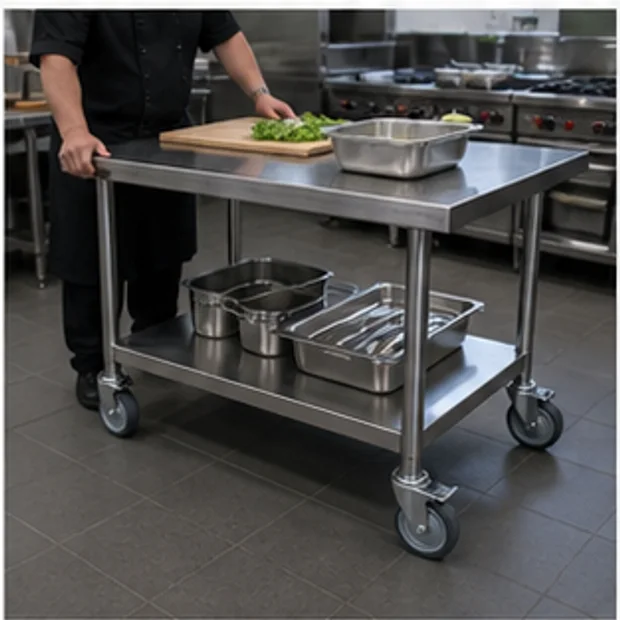
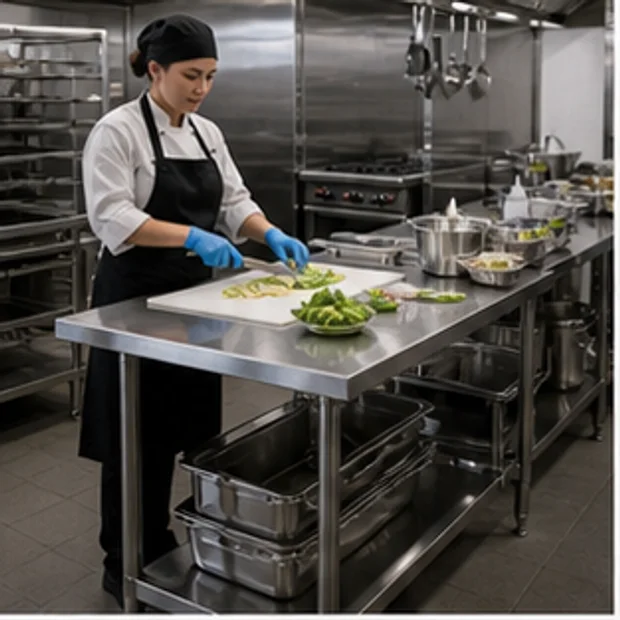
Chef using a stainless steel work table within an occupied commercial kitchen workflow

Define the Work Table fabrication requirement

Start with the work and surrounding kitchen flow. The required envelope, support, storage, fabrication, sanitation, mobility, placement, and drawing evidence follow from how the station must actually operate.

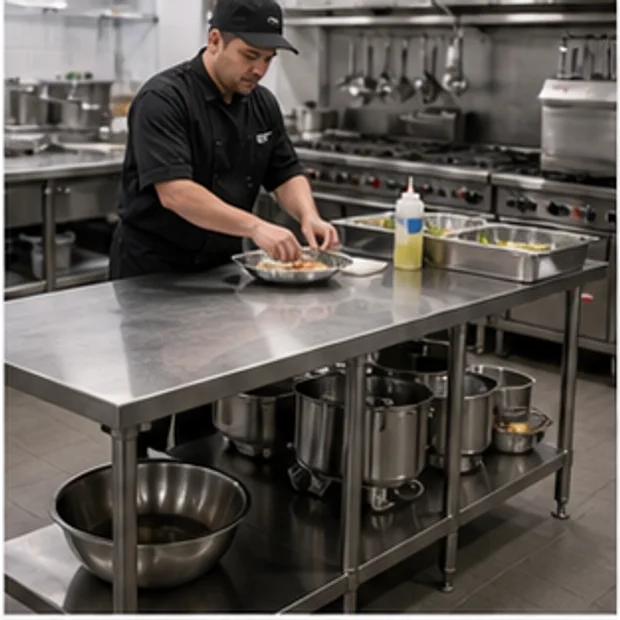
Chef working across a stainless steel table with containers and adjacent kitchen equipment
Workflow and envelopeDefine workflow and working envelope

Describe the occupied workstation before discussing dimensions so the usable work relationship is bounded by real operators, tools, containers, equipment, and adjacent activity.

Station purpose
Describe the preparation, staging, or assembly work.
Work sequence
Map incoming work, activity at the surface, and outgoing flow.
Operator interaction
Describe reach, movement, and shared use where relevant.
Surface interaction
Record tools, containers, or equipment used during work.
Adjacent equipment
Identify cooking, preparation, washing, or service relationships.
Wall and aisle context
Describe surrounding access without inventing measurements.
Floor relationship
Record placement, leveling, and movement context.
Cleaning access
Map wipe-down and surrounding floor or wall cleaning.
Placement constraints
Describe the intended station position.
Delivery constraints
Identify access conditions a future candidate must satisfy.
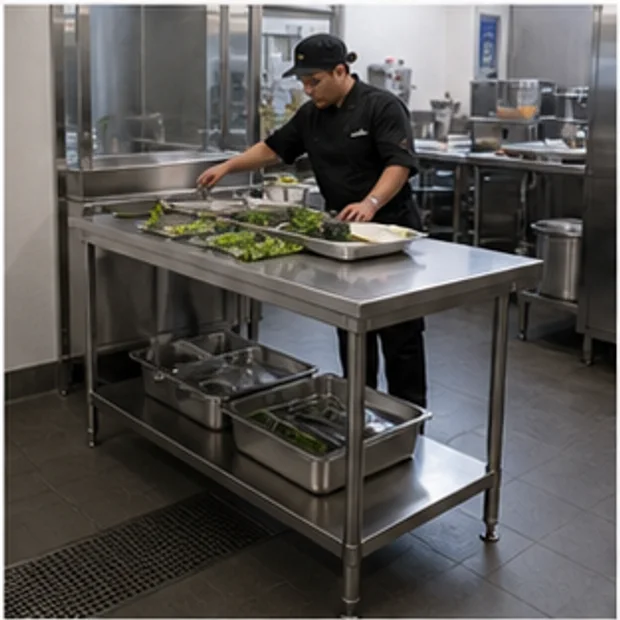
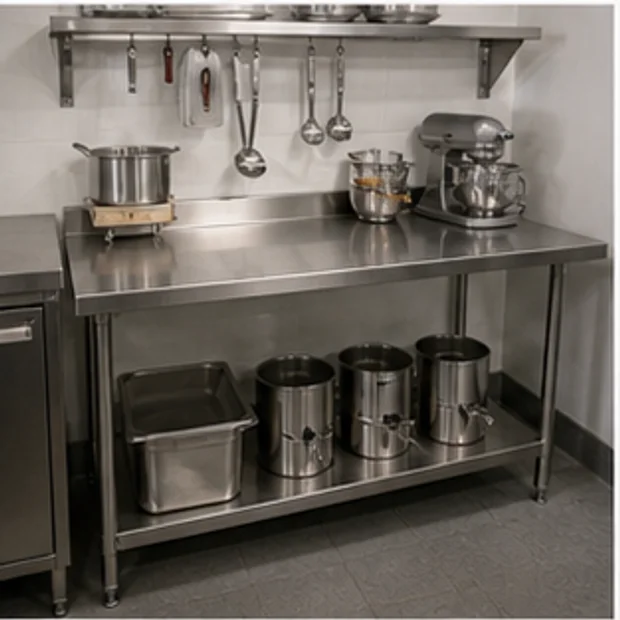
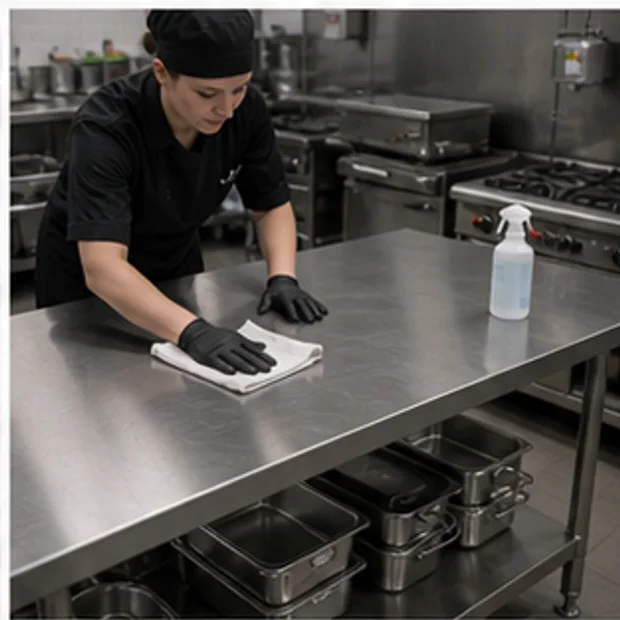
Occupied stainless steel workstation showing surface use and organized lower storage
Fabrication responsibilitiesMap support, storage, and fabrication responsibilities

Translate the workflow into qualitative surface, base, storage, edge, sanitation, leveling, mobility, material, finish, and project-interface responsibilities.

Supported items
Identify equipment, containers, tools, and handled products.
Handling rhythm
Separate stationary items from repeatedly moved work.
Lower-space requirement
Describe open, unobstructed, shelf-supported, or enclosed needs.
Storage access
Map how stored items remain reachable during work.
Edge responsibility
Record containment or open-edge needs where applicable.
Wall interface
Describe splash or wall relationships as characteristics only.
Sanitation responsibility
Explain food-contact, wet or dry workflow, and cleaning context.
Material and finish evidence
State what candidate evidence must be reviewed without prescribing grade or gauge.
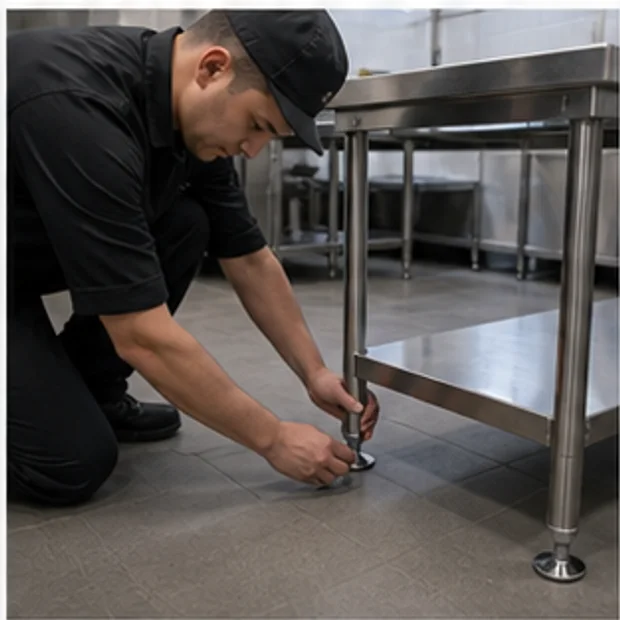
Leveling requirement
Describe stability needs within the actual floor context.
Mobility requirement
Record movement only when the workflow requires it.
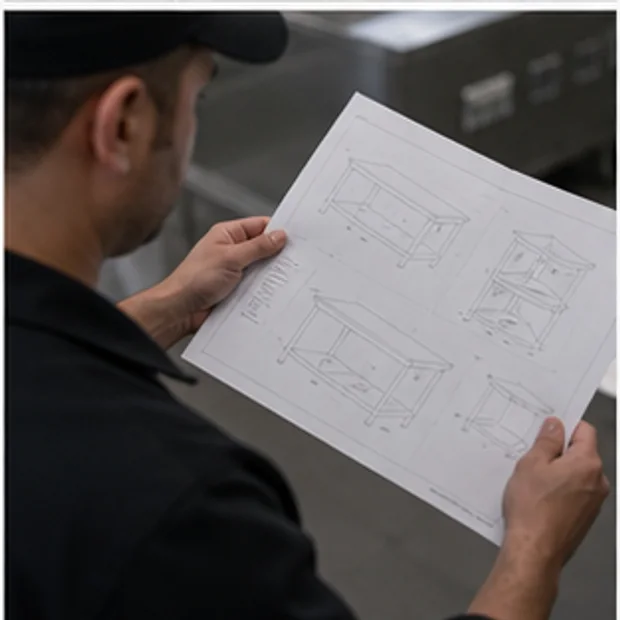
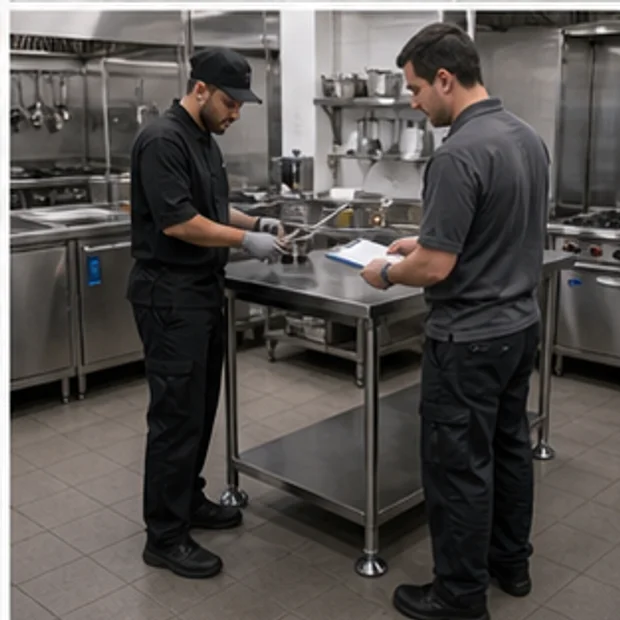
Commercial kitchen team reviewing an abstract work table drawing beside the installed station
Site and drawingBound site interface and drawing requirement

Constrain placement, access, adjacency, installation, drawing, packing, and destination evidence after workflow and fabrication responsibilities are understood.

Installation position
Identify the final working location.
Wall, floor, and aisle interface
Describe how the station meets its surroundings.
Adjacent-equipment interface
Map alignment and access around neighboring equipment.
Under-table access
State required working or cleaning access qualitatively.
Leveling or mobility
Confirm the relevant placement responsibility.
Delivery path
Record how the candidate must reach the installation area.
Installation access
Describe assembly or placement constraints.
Project-specific connections
Include only interfaces genuinely required by the project.
Drawing confirmation
List dimensions and interfaces a future model or drawing must prove.
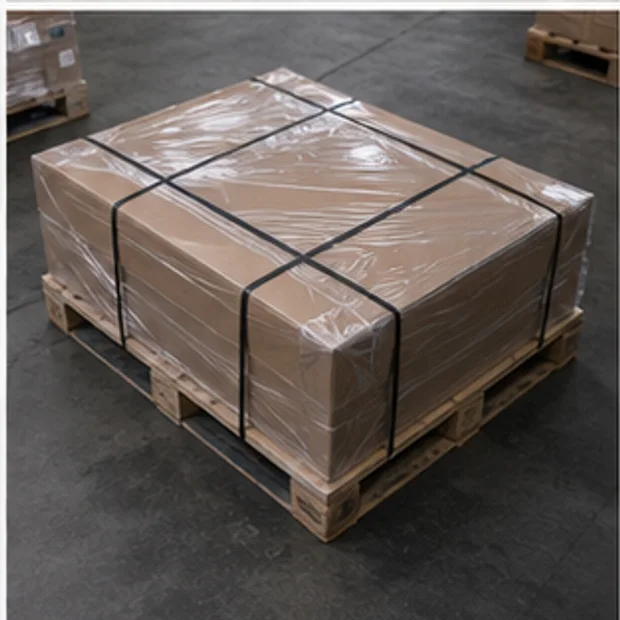
Packing and destination
Carry transport and destination constraints into review.
Workflow → fabricated envelope → site and drawing requirement

Output: a bounded Stainless Steel Work Table fabrication requirement

Workflow, working envelope, support and storage needs, fabrication features, material and finish responsibilities, sanitation, mobility, and site interfaces now provide CATERTOP with a Product Model and drawing-review basis.

Determine the practical Work Table configuration path

Translate workstation signals into bounded selection questions and candidate-level fabrication implications without turning characteristics into taxonomy.

Operator using a stainless steel work table as a qualitative fabrication and workflow review reference
Qualitative fabrication review map; no dimensions, grades, gauges, capacities, or drawing values implied.

Workflow and site requirements create fabrication responsibility

  • Workflow and envelope
  • Support and storage
  • Fabrication and sanitation
  • Site and drawing
  1. Work and working relationship

    What activity occurs here, and how must operators, tools, containers, and adjacent equipment interact?

    Bound the usable work envelope, operator interface, and surrounding workflow.

  2. Support and storage duty

    What must the station support, store, or keep accessible during work?

    Review worktop responsibility, qualitative support duty, and open, shelf-supported, enclosed, or unobstructed base characteristics.

  3. Fabrication and sanitation

    What edge, wall-interface, finish, cleaning, leveling, or mobility responsibilities follow?

    Review applicable fabrication features plus material, finish, construction, and cleanability evidence.

  4. Site and drawing

    Where must the table fit, arrive, align, and operate?

    Review candidate or drawing dimensions, delivery access, floor and wall relationships, adjacent equipment, placement, and installation evidence.

This path bounds fabrication-review responsibilities. Exact dimensions, materials, finish, construction, and site interfaces remain candidate, model, and drawing confirmations.

Explore representative Stainless Steel Work Table configurations

Compare four overlapping design-stage configurations through one consistent workflow, fabrication, placement, and drawing-review inventory.

  • Workflow / installation context
  • Working-envelope responsibility
  • Support / storage architecture
  • Fabrication / finish / sanitation responsibility
  • Mobility / placement / site / drawing basis
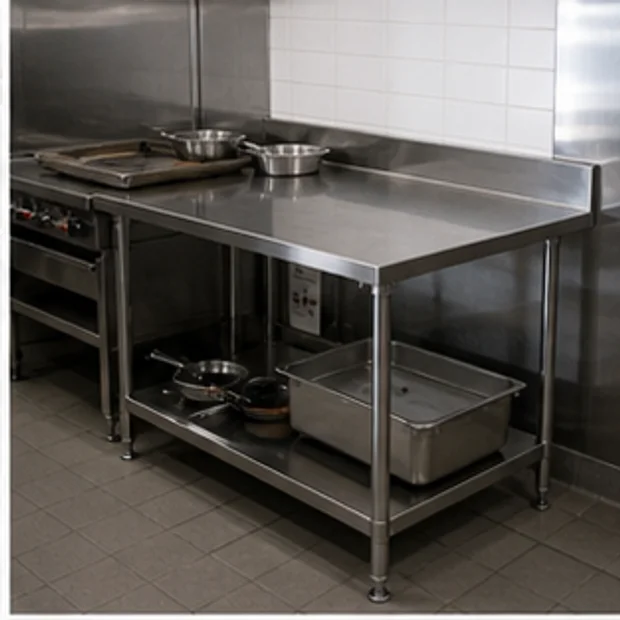
  1. Design-stage open-base preparation-workflow configuration

    Open-base preparation-workflow configuration

    An open lower area preserves access and cleaning around an occupied preparation station.

    Workflow / installation context
    Open preparation-station context
    Working-envelope responsibility
    Envelope follows operator and surface workflow
    Support / storage architecture
    Open lower-space relationship
    Fabrication / finish / sanitation responsibility
    Food-contact and cleaning evidence reviewed
    Mobility / placement / site / drawing basis
    Leveling, placement, access, and drawing confirmation
    Request Model Review
  2. Design-stage undershelf-supported workflow configuration

    Undershelf-supported workflow configuration

    Lower storage supports tools and containers while the working surface remains workflow-led.

    Workflow / installation context
    Preparation or staging context
    Working-envelope responsibility
    Envelope follows surface and retrieval activity
    Support / storage architecture
    Shelf-supported lower storage characteristic
    Fabrication / finish / sanitation responsibility
    Storage access, finish, and sanitation evidence reviewed
    Mobility / placement / site / drawing basis
    Placement, floor interface, delivery, and drawing confirmation
    Request Model Review
  3. Design-stage wall-interface and backsplash-characteristic configuration

    Wall-interface and backsplash-characteristic configuration

    A wall-facing station coordinates surface use, surrounding cleaning, and an applicable edge characteristic.

    Workflow / installation context
    Wall-adjacent workstation context
    Working-envelope responsibility
    Envelope follows wall, operator, and adjacent-equipment relationships
    Support / storage architecture
    Wall-interface and open or supported base characteristics
    Fabrication / finish / sanitation responsibility
    Edge, joint, finish, and cleanability evidence reviewed
    Mobility / placement / site / drawing basis
    Wall alignment, access, installation, and drawing confirmation
    Request Model Review
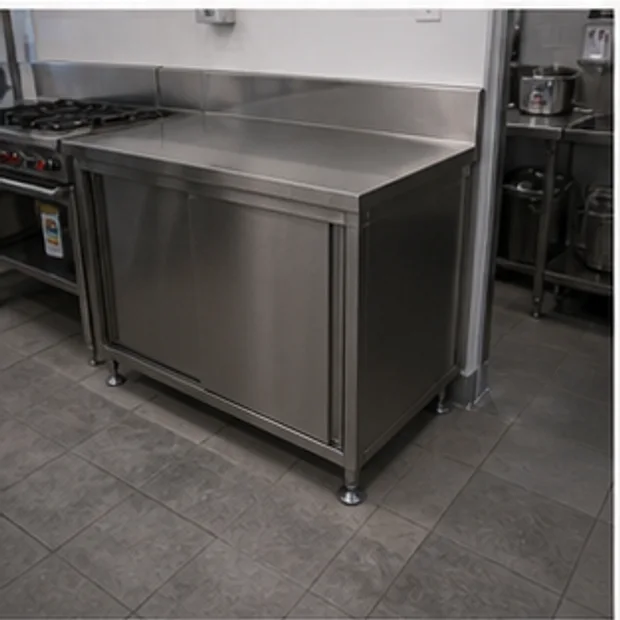
  4. Design-stage enclosed-storage or mobile project configuration

    Enclosed-storage or mobile project configuration

    Enclosed storage or mobility is reviewed as a project characteristic where the workflow requires it.

    Workflow / installation context
    Project-specific workstation context
    Working-envelope responsibility
    Envelope follows storage or movement workflow
    Support / storage architecture
    Enclosed-storage or mobile characteristic
    Fabrication / finish / sanitation responsibility
    Construction, finish, sanitation, and mobility evidence reviewed
    Mobility / placement / site / drawing basis
    Movement or fixed placement, delivery, and drawing confirmation
    Request Model Review

These are overlapping representative configurations, not Product Subcategories, canonical Product Models, or exclusive taxonomy. Backsplash, undershelf, cabinet-base, open-base, and mobility characteristics remain candidate-level evidence.

Establish the candidate and drawing review basis

Test whether a future candidate or drawing satisfies the bounded workflow, fabrication, sanitation, placement, and site requirement rather than repeating the initial brief.

Station workflow
Verify the intended work sequence and operator relationship.
Working-surface relationship
Confirm tools, containers, equipment, and usable surface evidence.
Adjacent-equipment and aisle context
Test the candidate against surrounding workflow.
Support responsibility
Review qualitative evidence for items placed on the worktop.
Base and storage configuration
Confirm lower-space, access, and storage characteristics.
Edge or wall-interface characteristic
Review only where the bounded workflow requires it.
Material and finish evidence
Verify candidate evidence without inventing grade, gauge, or thickness.
Construction and cleanability
Review joints, edges, surfaces, access, and sanitation evidence.
Leveling or mobility
Confirm the applicable floor and movement responsibility.
Candidate drawing
Verify dimensions and interfaces against the buyer-provided site brief.
Delivery and installation access
Confirm route, assembly, placement, and service conditions.
Packing and destination
Review transport and project implications.
Team reviewing a qualitative work table drawing and installed workflow without visible measurements
Candidate review zones
  • Workflow / operator interface
  • Work-surface / support interface
  • Storage / fabrication responsibility
  • Material / sanitation / mobility interface
  • Site / drawing / installation envelope

Output: a bounded Stainless Steel Work Table candidate and drawing review basis

CATERTOP can test future Product Models or supplier drawings against the workflow, envelope, support, fabrication, sanitation, mobility, placement, access, and project requirement without automatic selection.

Assemble the supplier and drawing confirmation dossier

Align buyer-supplied workflow and site facts with the candidate-specific fabrication, drawing, packing, and commercial information CATERTOP reviews or confirms.

  • Stainless Steel Work Table workflow / application confirmation context

    Workflow / application

    Station work, operators, tools, containers, equipment, and surrounding kitchen context.

  • Stainless Steel Work Table fabrication / sanitation confirmation context

    Fabrication / sanitation

    Support, storage, construction, cleaning, material, and finish evidence.

  • Stainless Steel Work Table site / drawing review confirmation context

    Site / drawing review

    Placement, access, interfaces, and candidate drawing confirmation.

  • Stainless Steel Work Table packing / destination confirmation context

    Packing / destination

    Protective packing and destination preparation carried into commercial review.

  • Workflow, application, and working-envelope confirmation

    Buyer provides

    Station purpose, workflow, operators, tools, containers, equipment, and surrounding kitchen context.

    CATERTOP reviews / confirms

    Candidate applicability, bounded working relationship, and evidence required for model or drawing review.

  • Support, storage, and fabrication-feature confirmation

    Buyer provides

    Worktop responsibility, lower-space and storage requirements, edge or wall interface, leveling, and mobility.

    CATERTOP reviews / confirms

    Candidate structure, support and storage arrangement, and applicable fabrication characteristics.

  • Material, finish, construction, and sanitation confirmation

    Buyer provides

    Food-contact context, wet or dry workflow, cleaning process, and chemical or environmental context.

    CATERTOP reviews / confirms

    Candidate material, finish, joint, construction, edge, and cleanability evidence.

  • Dimensions, placement, site-interface, and drawing confirmation

    Buyer provides

    Available space, adjacency, wall and floor context, aisle, delivery path, and installation constraints.

    CATERTOP reviews / confirms

    Candidate, model, or drawing dimensions, interfaces, access, placement, and installation evidence.

  • Packing, destination, and commercial documentation

    Buyer provides

    Quantity, destination, timing, branding, packing, inspection, documentation, and commercial requirements.

    CATERTOP reviews / confirms

    Applicable packing basis, destination requirements, documentation, and commercial confirmation scope.

The dossier makes drawing confirmation visible without implying that a final drawing, specification, certificate, inspection record, or document is already approved or available.

Prepare the Stainless Steel Work Table requirement

Send the five requirement groups CATERTOP needs to review applicable Product Models or supplier drawings and prepare the commercial response.

Include these details in your inquiry

5 brief points
  1. Workstation purpose and workflowWork performed, operator interaction, tools, containers, equipment, product movement, and cleaning sequence.
  2. Working envelope and adjacent contextAvailable placement, usable work relationship, wall and aisle context, operator access, and adjacent equipment.
  3. Support, storage, and fabrication featuresWorktop duty, under-table requirement, open, shelf-supported, enclosed, or unobstructed characteristics, edges, wall interface, leveling, and mobility.
  4. Material, finish, sanitation, site, and drawing requirementsFood-contact and cleaning context, environmental exposure, desired evidence, installation access, placement, and drawing-confirmation needs.
  5. Order and project contextQuantity, destination, timing, branding, packing, documentation, inspection, and commercial requirements.

Send the written brief through the Products inquiry.