


CATERTOP / Supplier Profile

A supplier you can verify. A partner you can build with.

For wholesalers, distributors, importers and dealers building their next commercial kitchen equipment range. Start with your market, then work through the products, specifications and cooperation terms.

Guangzhou CATERTOP Food Machinery Co., Ltd.
Guangzhou, China · Established in 2009
Manufacturing & Supply Partner
Commercial kitchen equipment for business buyers
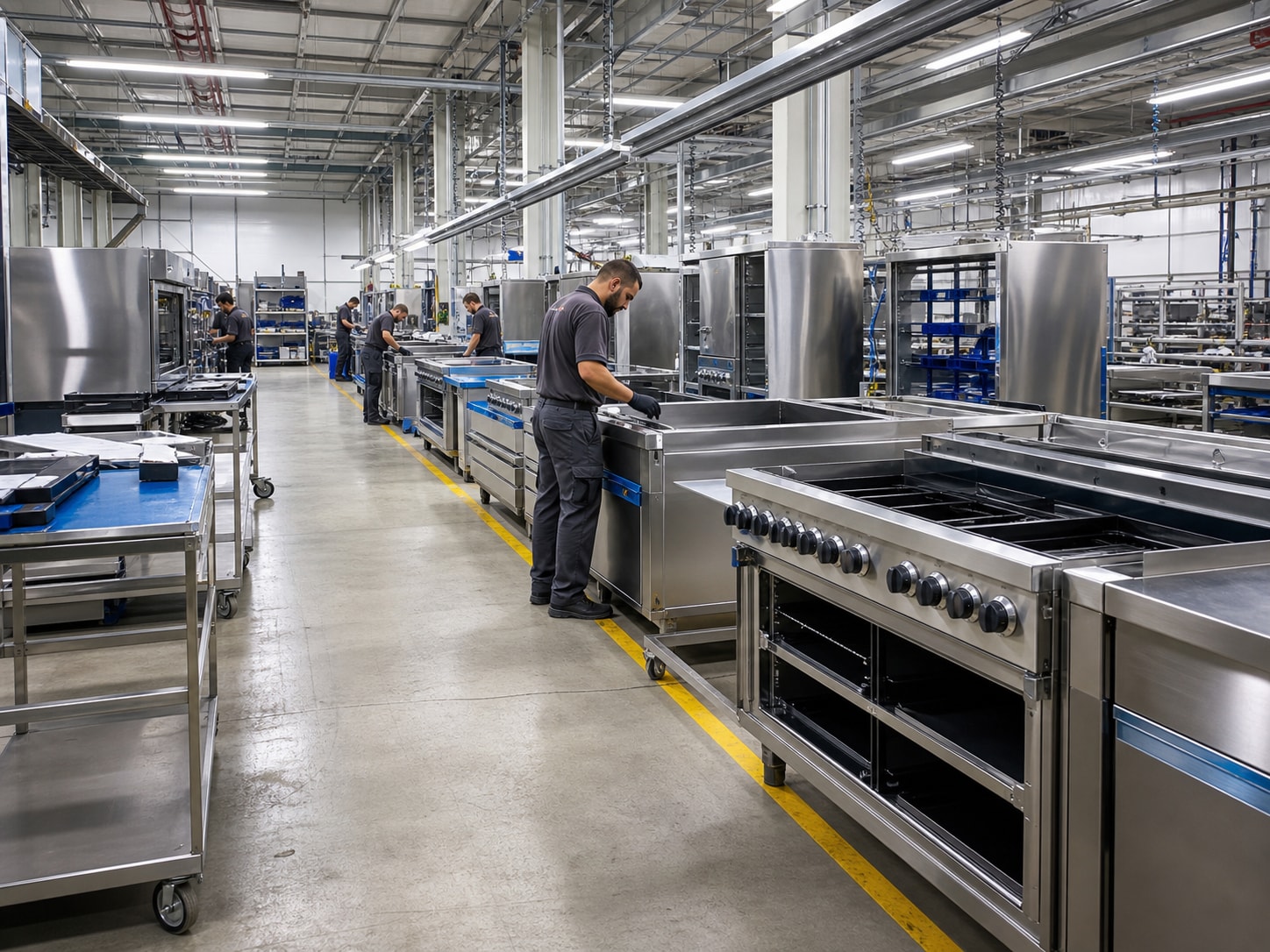
Illustrative technician inspecting stainless steel cooking equipment on an assembly floor
People & Production
The company behind the equipmentBuilt for B2B procurementAbout CATERTOP

Who we are / 01

Know who you're buying from.

Established in Guangzhou, China in 2009, Guangzhou CATERTOP Food Machinery Co., Ltd. works with commercial kitchen equipment for international business buyers.

Today's range brings together cooking, bakery, refrigeration, food preparation and other foodservice categories. For distributors, that creates a starting point for a local-market assortment; for project buyers, a way to discuss equipment across applications.

A useful supplier relationship starts with product information, confirmed requirements and a practical way to coordinate the order.

15+ years experience. Equipment supplied to buyers in 100+ countries.

Illustrative commercial equipment production floor
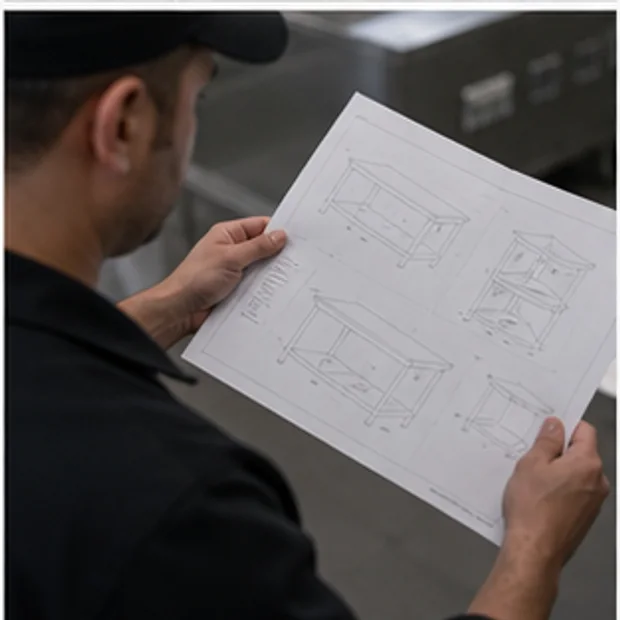
Illustrative review of equipment drawings
300+

Product Series

Confirm available models, market requirements and configurations with our team.

Supplier due diligence / 02

Before the first purchase order.

You should be able to ask specific questions and understand what needs confirming. These four responsibilities give your supplier review a practical starting point.

  1. 01

    Factory & Production

    Who will make the equipment?

    Request current workshop images and an explanation of the production steps relevant to your models. Use these to review the proposed manufacturing scope; ask whether a visit or remote review can be arranged.

  2. 02

    Quality Inspection

    What will be checked before shipment?

    Ask for the proposed checks, acceptance points and review timing, plus any available order-specific photos or records. These help confirm what is being inspected and how the results can be reviewed.

  3. 03

    Technical Documentation

    What is the agreed production reference?

    Request the model specification reference and available drawings. Compare dimensions, utilities, options and branding with the quotation. If certification documents are available, check their exact model and destination scope.

  4. 04

    Export Packing

    How will the equipment be prepared for transport?

    Request the proposed packing format, shipping marks and available dimensions, weights or packing photos. These help you review handling and freight requirements; confirm which destination documents can be supplied.

Documentation and inspection availability depend on the selected equipment and confirmed order.

Inside the supply process / 03

From fabrication to dispatch.

A useful manufacturing discussion follows the work behind the equipment: the agreed configuration, production communication, quality review and packing preparation.

Illustrative laser cutting of a stainless steel sheet
01Fabrication

Review materials, dimensions and configuration requirements against the equipment you intend to order.

Illustrative technician inspecting a commercial oven
02Inspection & Assembly

Connect the selected models with agreed checkpoints and the records available for review.

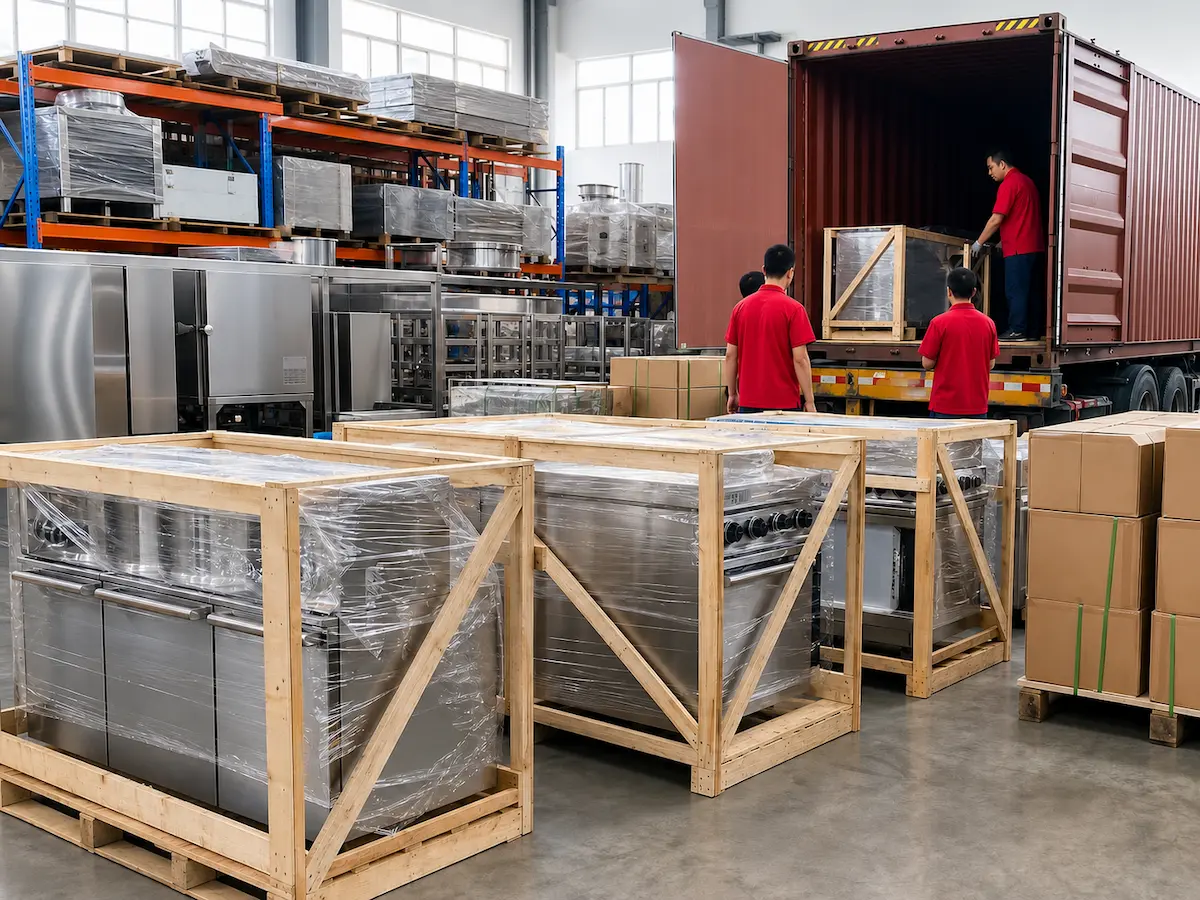
Illustrative export packing and loading scene
03Export Preparation

Discuss packing, handling, documents and shipment arrangements as part of the order.

For your market / 04

Build a range around the business you serve.

Different customers need different equipment. Use these selected categories to start an assortment discussion, then confirm models, utilities and configurations for your market.

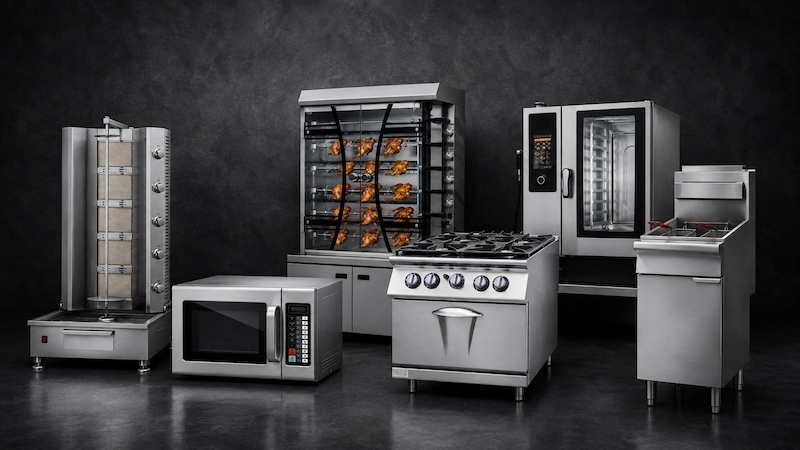
Selected commercial cooking equipment assortment illustration
Selected equipment. A starting point for your market.

For distributors / 05

The second order is the real test.

A repeat purchase should start from a record of what was agreed before. Discuss your brand requirements and how specifications, changes and production updates will be confirmed.

First order / Confirm the baseline

Develop Products Under Your Own Brand

Discuss OEM / ODM possibilities for selected equipment. Confirm feasibility and commercial terms in the quotation.

  • ConfirmModel codes and specifications for the intended application
  • RecordUtilities, options and the agreed configuration
  • AgreeBrand artwork, packaging and order requirements

Repeat order / Reconfirm against it

Built for Repeat Purchasing

Reference prior specifications and confirm what remains the same—and what needs to change—before the next production order.

  • ReferencePreviously approved models and specification records
  • ReviewConfiguration changes and production updates
  • ReconfirmBranding and packaging for the new order

Working together / 06

Clear responsibilities. Fewer unanswered questions.

Ask which contact handles each responsibility and how updates will be shared. Confirm the handoffs for your order, from the first inquiry to after-sales communication.

Sales Coordination
Selection & QuotationMarket, applications, equipment shortlist, quantities and commercial requirements.
Engineering Review
Technical ConfirmationSpecifications, utilities, configuration changes and available drawing or sample references.
Production Coordination
Production Follow-upThe confirmed production reference, order updates and agreed quality checkpoints.
Export Preparation
Packing & DispatchPacking requirements, shipping marks, documentation and confirmed shipment terms.
After-Sales Communication
Order-specific SupportTechnical and spare-parts inquiries using model and order details; applicable support conditions.

A supplier conversation starts with your market

Tell us what you need to sell. We'll start there.

Share your destination market, equipment categories and purchasing requirements. For a project, start with the equipment list and intended applications.