Procurement Guide

Hot Food Display Case

Define the prepared hot food, service-ready condition, display window, turnover, replenishment, visibility, and access first; then review holding-display responsibility, cleaning, utility, and placement.

First procurement question

What prepared hot food must remain service-ready and visible, through what replenishment and access rhythm, and what holding-display responsibility follows?

Hot Food Display Case in a commercial service workflow

Define the Hot Food Display Case service-system requirement

Start with the service-ready product or service input. Duration, turnover, replenishment, access or dispensing, condition maintenance, cleaning, utilities, and site responsibilities follow from the real service workflow.

Hot Food Display Case define prepared food and service condition context
Prepared hot foodDefine prepared food and service condition

Start with prepared hot food and the condition service must receive before discussing display configuration.

Prepared food
Identify product entering display.
Incoming condition
Describe its state at loading.
Serving condition
Define acceptable readiness.
Container format
Record trays or serving units.
Display window
Describe service duration.
Turnover
Map product movement.
Visibility
State presentation need without merchandising-first logic.
Peak service
Identify demanding periods.
Hot Food Display Case map display, replenishment, and access context
Display service flowMap display, replenishment, and access

Translate service rhythm into loading, visibility, refill, operator or customer access, and withdrawal.

Loading direction
Map prepared-food entry.
Display arrangement
Describe qualitative organization.
Replenishment
Record routine refill.
Peak refill
Identify busy overlap.
Operator access
Describe staff-side handling.
Customer access
Record it only where applicable.
Product withdrawal
Map serving removal.
Exposure context
Describe repeated access to displayed food.
Hot Food Display Case bound holding-display duty and site context
Holding-display dutyBound holding-display duty and site

Constrain service duration, repeated access, condition maintenance, controls, cleaning, utilities, and placement.

Routine duty
Describe normal display service.
Peak duty
Identify demanding turnover.
Holding responsibility
State qualitative readiness maintenance.
Display exposure
Describe access and surrounding conditions.
Control responsibility
Identify candidate evidence.
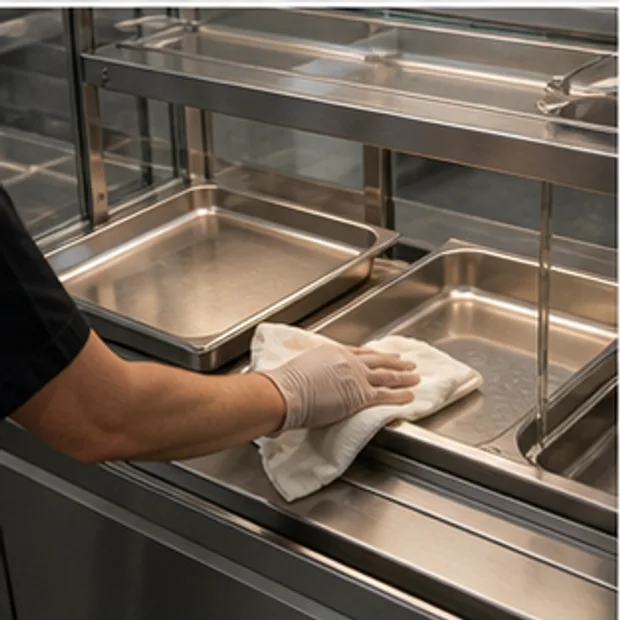
Food-area cleaning
Map residue and reset.
Destination utilities
Record available services.
Placement and service
Confirm service-line position and maintenance.
Prepared hot food → Display service flow → Holding-display duty

Output: a bounded Hot Food Display Case service-system requirement

Prepared food, serving condition, display window, turnover, replenishment, access, holding-display responsibility, cleaning, utilities, and placement now form the CATERTOP review basis.

Determine the practical Hot Food Display Case configuration path

Translate service condition, turnover, replenishment, access or dispensing, cleaning, utilities, and placement into candidate-level questions.

Hot Food Display Case qualitative service-flow worksheet
Qualitative service-flow map; no temperature, capacity, tray-count, or recovery values implied.

Service condition and workflow create holding-system responsibility

  • Prepared food
  • Display window
  • Replenishment and access
  • Cleaning and site
  1. Food and service condition

    What prepared-food condition must remain acceptable?

    Review food and container compatibility with holding-display responsibility.

  2. Display window and turnover

    How long is food presented and how quickly does it move?

    Review repeated-service duty and condition-maintenance evidence.

  3. Replenishment and access

    How do staff load and replenish, and how is food withdrawn?

    Review access architecture, visibility, exposure, and service workflow.

  4. Cleaning, utilities, and placement

    How will food areas be cleaned and the case positioned?

    Review sanitation access, destination services, placement, and maintenance.

This path defines service-system review responsibilities. Exact arrangement, controls, dimensions, utilities, and operating evidence remain Product Model confirmations.

Explore representative Hot Food Display Case configurations

Compare four overlapping hot-food display configurations through shared service-condition and workflow fields.

  • Installation / hot-service context
  • Prepared-food / display arrangement
  • Replenishment / operator-or-customer access architecture
  • Holding-display / condition-maintenance responsibility
  • Cleaning / utilities / placement / site basis
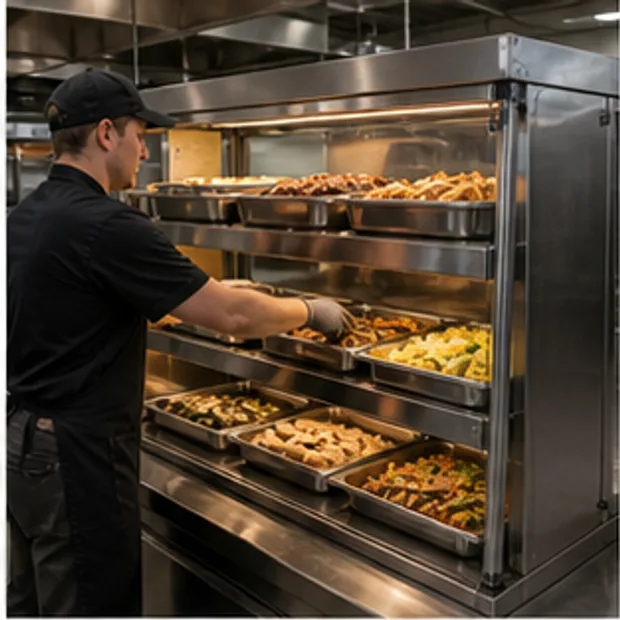
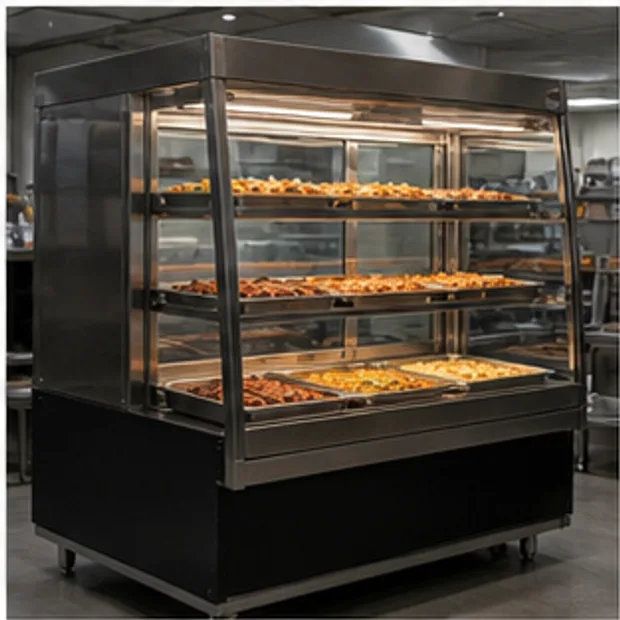
  1. Design-stage staff-served counter configuration

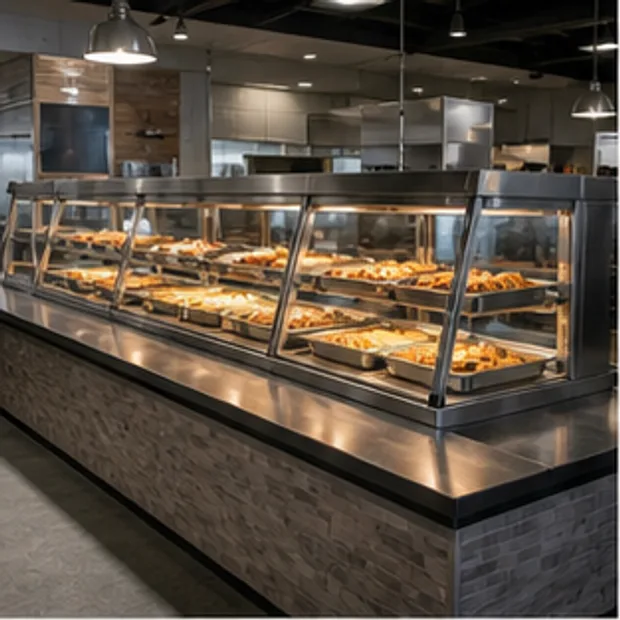
    Staff-served counter configuration

    Staff loading and withdrawal coordinate prepared-food presentation.

    Installation / hot-service context
    Staff-served counter placement
    Prepared-food / display arrangement
    Visible prepared-food organization
    Replenishment / operator-or-customer access architecture
    Back or staff-side refill and service
    Holding-display / condition-maintenance responsibility
    Duty follows display window and turnover
    Cleaning / utilities / placement / site basis
    Food-area cleaning, utilities, and placement confirmed
    Request Model Review
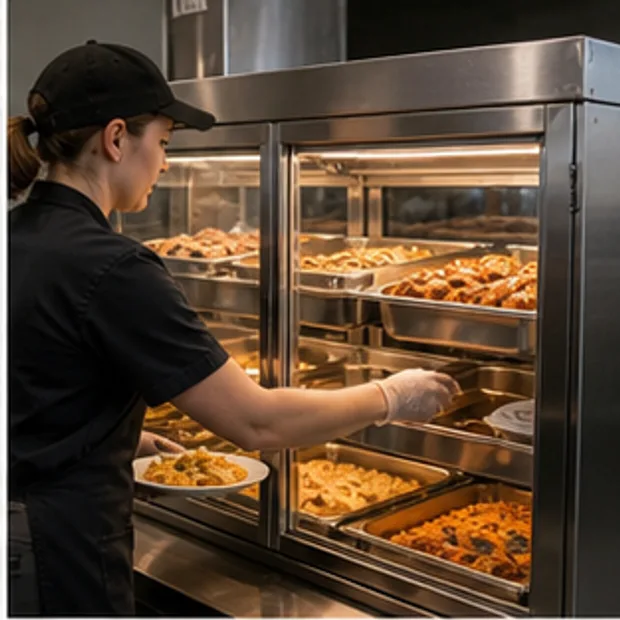
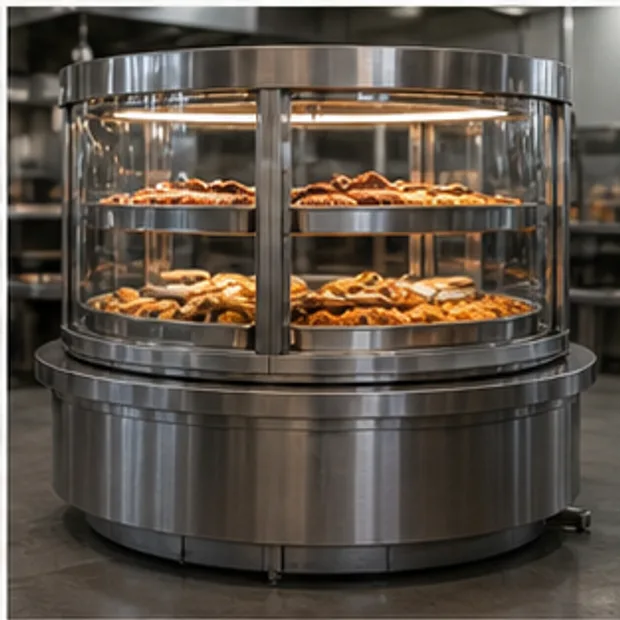
  2. Design-stage customer-access display configuration

    Customer-access display configuration

    Visibility and controlled access support a self-directed service flow where applicable.

    Installation / hot-service context
    Customer-facing service context
    Prepared-food / display arrangement
    Prepared food presented for direct access
    Replenishment / operator-or-customer access architecture
    Staff replenishment coordinated with customer withdrawal
    Holding-display / condition-maintenance responsibility
    Holding duty follows exposure and repeated access
    Cleaning / utilities / placement / site basis
    Access, sanitation, utilities, and site reviewed
    Request Model Review
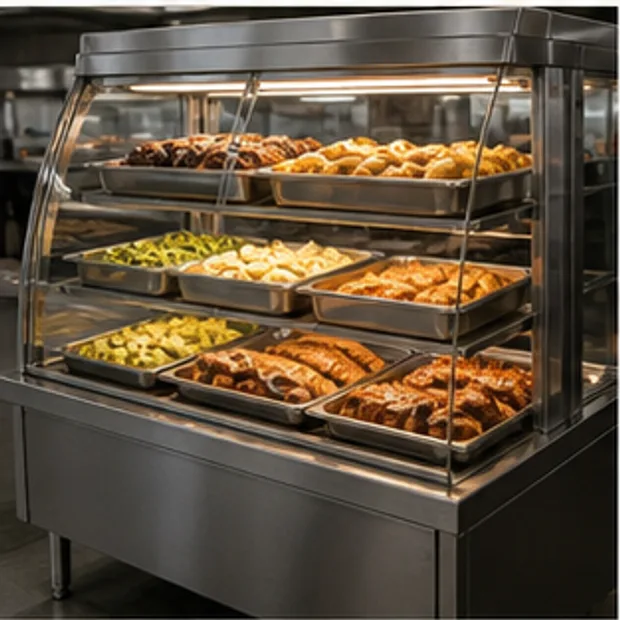
  3. Design-stage compact point-of-service configuration

    Compact point-of-service configuration

    A focused display direction supports a restrained service loop.

    Installation / hot-service context
    Compact service-point placement
    Prepared-food / display arrangement
    Focused prepared-food arrangement
    Replenishment / operator-or-customer access architecture
    Short refill and withdrawal paths
    Holding-display / condition-maintenance responsibility
    Duty follows concentrated turnover
    Cleaning / utilities / placement / site basis
    Cleaning, utilities, counter fit, and maintenance confirmed
    Request Model Review
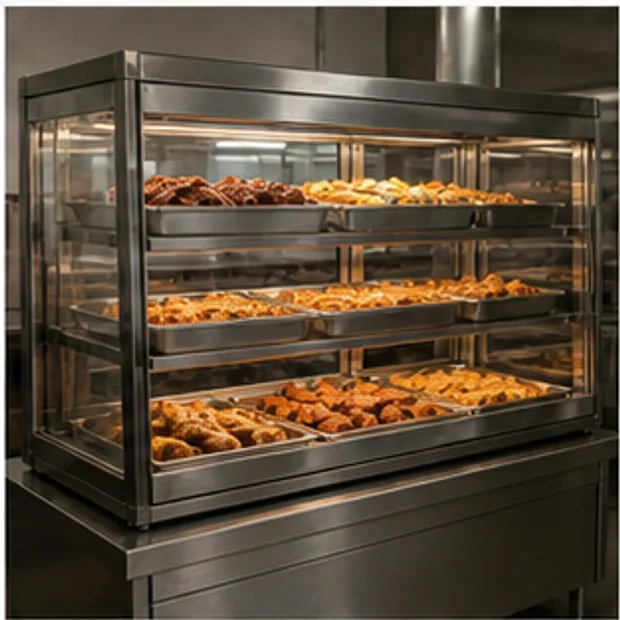
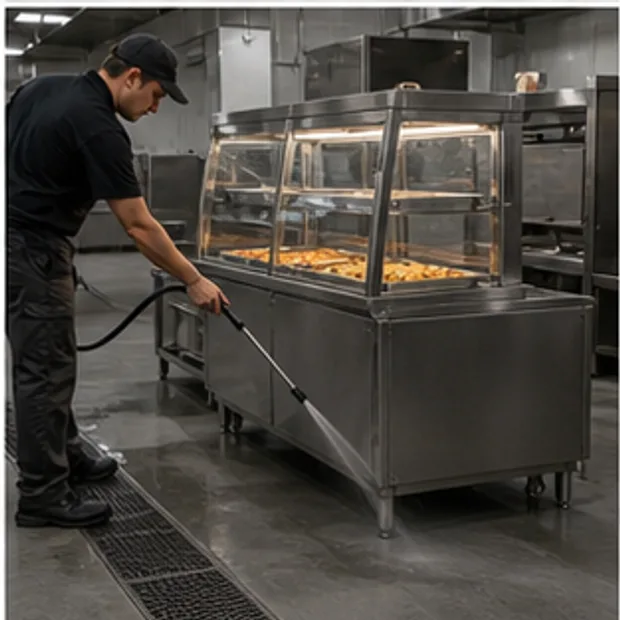
  4. Design-stage extended staffed display configuration

    Extended staffed display configuration

    A broader presentation direction coordinates multiple service moments.

    Installation / hot-service context
    Extended staffed service line
    Prepared-food / display arrangement
    Distributed prepared-food organization
    Replenishment / operator-or-customer access architecture
    Replenishment and withdrawal coordinated across the display
    Holding-display / condition-maintenance responsibility
    Duty follows overlapping access and turnover
    Cleaning / utilities / placement / site basis
    Cleaning zones, utilities, placement, and service reviewed
    Request Model Review

These are representative composite configurations, not Product Subcategories, canonical Product Models, or exclusive taxonomy. Characteristics may overlap across future candidates.

Establish the pre-shortlist service-system review basis

Verify prepared-food readiness, display window, visibility, replenishment, access, exposure, holding-display evidence, sanitation, utilities, and placement.

Prepared food
Confirm product entering display.
Serving condition
Verify required readiness.
Container relationship
Review handling units.
Display window and turnover
Test service rhythm.
Visibility and arrangement
Review qualitative presentation.
Replenishment and access
Verify staff or customer flow.
Holding-display evidence
Assess condition maintenance.
Cleaning and site
Confirm sanitation, utilities, and placement.
Hot Food Display Case service workflow used for qualitative candidate review
Candidate review zones
  • Food interface
  • Display arrangement
  • Replenishment
  • Service access
  • Cleaning and site

Output: a bounded Hot Food Display Case candidate-review basis

CATERTOP can test future Product Models against the service condition, turnover, replenishment, access or dispense workflow, operating responsibility, cleaning, utilities, and site requirement without automatic selection.

Assemble the supplier confirmation dossier

Align buyer-supplied service, workflow, and site facts with the candidate-specific configuration and commercial information CATERTOP reviews or confirms.

  • Hot Food Display Case service input / condition confirmation context

    Service input / condition

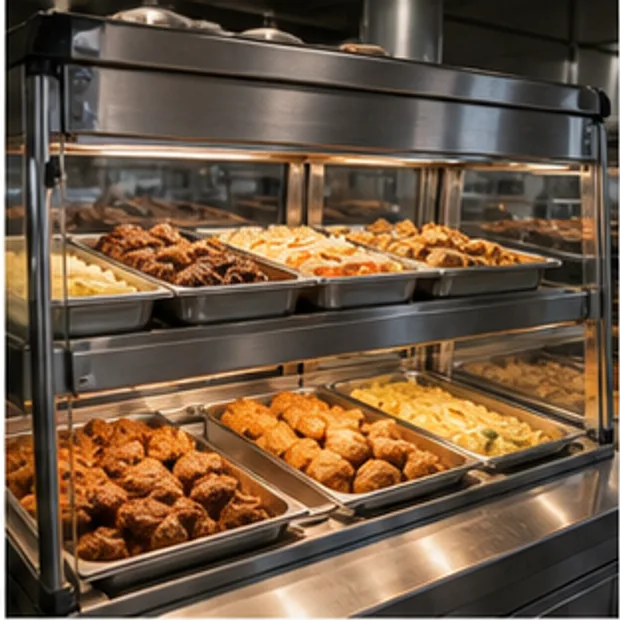
    Prepared hot food, incoming state, service-ready condition, display window, turnover, visibility, and duty.

  • Hot Food Display Case replenishment / service workflow confirmation context

    Replenishment / service workflow

    Container arrangement, loading, replenishment, operator or customer access, withdrawal, exposure, and holding-display configuration.

  • Hot Food Display Case site / service interface confirmation context

    Site / service interface

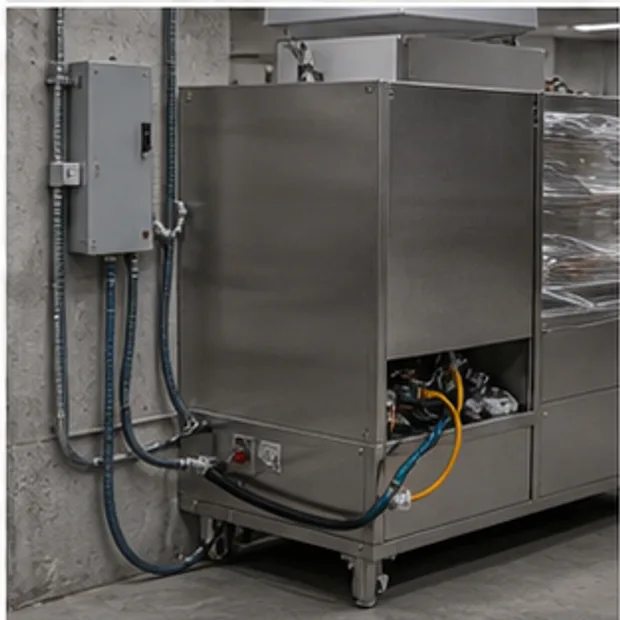
    Food-area cleaning, destination utilities, service-line placement, surrounding access, and maintenance conditions.

  • Hot Food Display Case packing / destination confirmation context

    Packing / destination

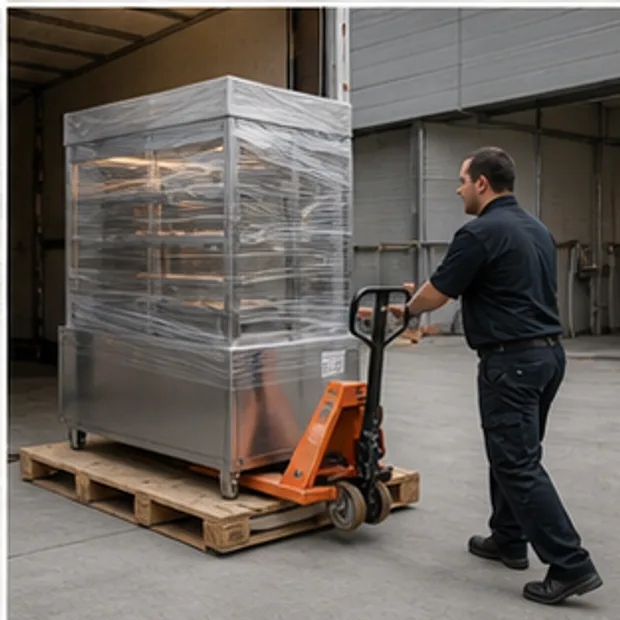
    Protective packing and destination preparation carried into commercial review.

  • Service input, target condition, duration, and duty confirmation

    Buyer provides

    Prepared hot food, incoming state, service-ready condition, display window, turnover, visibility, and duty.

    CATERTOP reviews / confirms

    Applicable Product Model basis for the stated service condition and bounded duty.

  • Replenishment, access, and service-configuration confirmation

    Buyer provides

    Container arrangement, loading, replenishment, operator or customer access, withdrawal, exposure, and holding-display configuration.

    CATERTOP reviews / confirms

    Applicable loading or connection, replenishment, access or dispense, and service-system configuration.

  • Controls, interface, cleaning, and safety-related confirmation

    Buyer provides

    Operating sequence, operator or customer interface, cleaning, reset, and safety-related context.

    CATERTOP reviews / confirms

    Candidate controls, interface, cleaning information, and applicable safety-related documentation.

  • Dimensions, utilities, mobility, placement, and service confirmation

    Buyer provides

    Food-area cleaning, destination utilities, service-line placement, surrounding access, and maintenance conditions.

    CATERTOP reviews / confirms

    Candidate dimensions, destination services, water or drainage where relevant, mobility, placement, and service access.

  • Packing, destination, and commercial documentation

    Buyer provides

    Quantity, destination, timing, packing, branding, inspection, documentation, and commercial requirements.

    CATERTOP reviews / confirms

    Packing preparation and destination or order documentation applicable to the project.

The dossier records confirmation responsibilities for the reviewed candidate. It does not imply that every certificate, drawing, test record, or document is already available.

Prepare the Hot Food Display Case requirement

Send the five requirement groups CATERTOP needs to review applicable Product Models and prepare the commercial response.

Include these details in your inquiry

5 brief points
  1. Prepared hot food and serving conditionFood, incoming state, required readiness, container context, display window, turnover, and visibility.
  2. Display and holding requirementFood arrangement, loading, presentation, holding-display responsibility, and access context.
  3. Replenishment and service rhythmRoutine and peak refill, operator or customer withdrawal, exposure, and qualitative service duty.
  4. Cleaning, utilities, and placementFood-area sanitation, destination services, service-line position, surrounding access, and maintenance.
  5. Order and project contextQuantity, destination, timing, packing, branding, documentation, inspection, and commercial requirements.

Send the written brief through the Products inquiry.